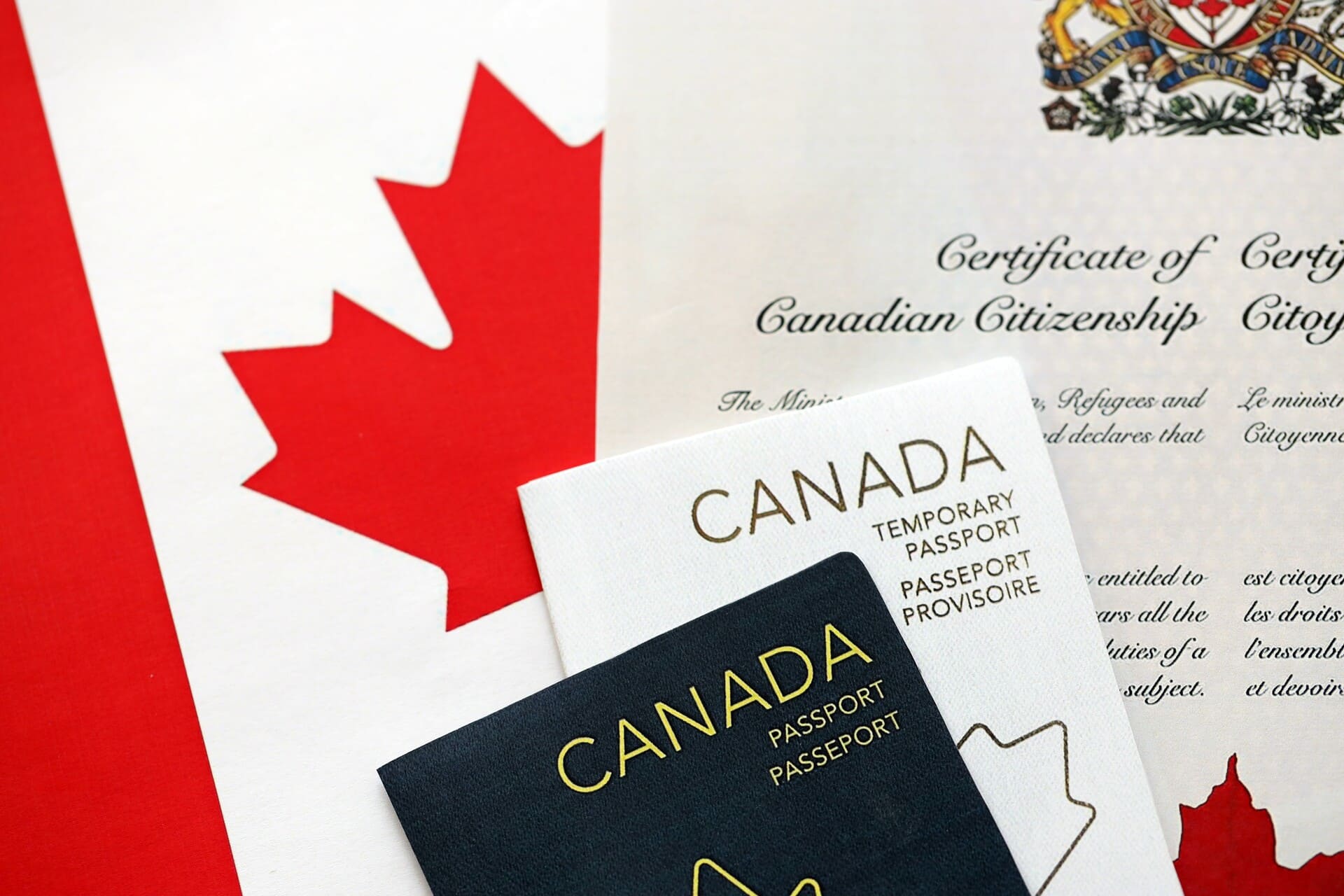
Canada stands among a small group of developed nations that grant automatic citizenship to children born within its borders. If you’re expecting a child in Canada or questioning your child’s citizenship status, understanding how birthright citizenship works is essential for planning your family’s future. The rules are straightforward in most cases, but exceptions exist, and having a Canadian-born child doesn’t automatically resolve immigration matters for parents.
Speak with our Toronto immigration lawyer to discuss your situation.
Birthright citizenship refers to the automatic granting of nationality to individuals based on where they were born. Two principles govern citizenship by birth worldwide:
Canada follows the jus soli principle, meaning that most children born on Canadian soil automatically receive Canadian citizenship at birth. While this principle has been recognized in Canada since Confederation in 1867, formal Canadian citizenship as a distinct legal status was first established through the Canadian Citizenship Act in 1947 (which came into force on January 1, 1947) and was later modernized by a new Citizenship Act that came into force on February 15, 1977.
Any child born on Canadian soil generally receives automatic citizenship, regardless of their parents’ immigration status. This applies whether the parents are temporary residents (students, workers, visitors), refugee claimants, or individuals without legal status.
The child’s citizenship is confirmed through a Canadian birth certificate issued by the province or territory where they were born. Once a child has Canadian citizenship, they hold it for life unless they voluntarily renounce it or have it revoked under specific circumstances (such as citizenship obtained through fraud).
According to Canada’s official citizenship eligibility guidelines, being born in Canada is one of the primary ways to acquire Canadian citizenship.
While Canada’s birthright citizenship policy is broad, limited exceptions exist:
For the vast majority of births in Canada, automatic citizenship applies with only these narrow exceptions.
A common misconception is that having a Canadian-born child automatically provides immigration benefits or legal status to the parents. This is not the case. A child’s Canadian citizenship does not grant their parents the right to remain in Canada, work in Canada, or obtain permanent residence or citizenship themselves.
Parents must follow proper immigration channels to obtain legal status in Canada. If the parents are in Canada on temporary status (such as a work permit, study permit, or visitor visa), they must maintain that status or apply for an extension or change of status through Immigration, Refugees and Citizenship Canada (IRCC).
However, having a Canadian-born child may be a relevant factor in certain immigration applications, particularly humanitarian and compassionate (H&C) applications, pre-removal risk assessments (PRRAs), and some family sponsorship scenarios once the child reaches adulthood.
For more detailed information on how a Canadian-born child affects parental immigration options, see our articles on if my child is born in Canada can I get permanent residency and if my child is born in Canada can I get citizenship.
If you’re a non-citizen parent with a Canadian-born child, your immigration options depend on your current status and long-term goals:
Immigration law is complex and constantly evolving. If you’re unsure of your rights, get in touch with our firm to review your options and develop a strategy that protects your family’s future in Canada.
Periodic political debates have questioned whether Canada should continue its automatic citizenship-by-birth policy. Some argue that birthright citizenship encourages “birth tourism” and should be reformed to align with countries like the United Kingdom and Australia, which have moved away from pure jus soli policies.
However, as of December 2024, no legislation has passed to eliminate or substantially modify Canada’s birthright citizenship laws. The issue remains politically contentious, with proponents of maintaining the status quo arguing that birthright citizenship reflects Canada’s inclusive values, that changing the policy would create stateless children, and that implementation would be administratively complex.
According to research from Global Citizenship Observatory, while abolishing birthright citizenship is theoretically possible, it would require significant amendments to the Citizenship Act and would face constitutional and humanitarian challenges.
Any proposed changes to Canada’s citizenship laws would require Parliamentary approval and would likely face substantial legal and public scrutiny.
Birth tourism refers to the practice of traveling to Canada specifically to give birth, with the intention of securing Canadian citizenship for the child. While birth tourism is not illegal under current Canadian law, it has become a politically sensitive issue.
Critics argue that it exploits Canada’s birthright citizenship policy, creates potential strain on healthcare systems, and may allow individuals to circumvent normal immigration processes.
However, it’s important to note that simply giving birth in Canada while on temporary status (such as a visitor visa) does not violate immigration law. Visitors giving birth in Canada are generally expected to pay for medical services unless they have valid Canadian health insurance. Misrepresentation to immigration authorities (such as hiding the intent to give birth while applying for a visitor visa) could constitute immigration fraud.
Some provinces have taken steps to address birth tourism concerns, including charging higher fees for non-residents using maternity services. However, the federal government has not yet implemented national policies specifically targeting birth tourism.
Canadian immigration law involves nuanced rules, strict deadlines, and significant consequences for errors or omissions. Whether you’re navigating birthright citizenship questions, planning to sponsor family members, or facing removal proceedings, working with legal professionals who understand the system is critical.
Immigration law changes frequently through new legislation, policy updates, and Federal Court decisions. An immigration lawyer stays current with these changes and can assess your specific situation, prepare accurate applications that meet IRCC requirements, represent you in appeals or judicial reviews if needed, and provide strategic advice to protect your family’s long-term interests in Canada.
Citizenship matters affect not just you, but potentially generations of your family. An immigration lawyer can help you understand your family’s citizenship rights and long-term immigration strategy, ensuring you make informed decisions based on accurate legal information.
Understanding how Canadian birthright citizenship works is just the beginning. If you’re planning to build your life in Canada, navigating immigration law requires careful planning and accurate information. Whether you’re expecting a child, questioning your family’s status, or exploring immigration options, Kingwell Immigration Law guides families through complex citizenship and immigration matters with personalized legal strategies.
Contact our firm at 416.988.8853 to discuss your situation and take the next step toward securing your family’s future in Canada.
Yes, unless their parents are foreign diplomats, children born in Canada receive automatic citizenship under Canada’s jus soli policy. This applies regardless of the parents’ immigration status at the time of birth.
No, having a Canadian-born child does not automatically give parents the right to stay. You must still apply for immigration or residency through proper legal channels. However, having a Canadian child may be a relevant consideration in certain discretionary applications, such as humanitarian and compassionate applications.
Currently, no bill has passed to eliminate birthright citizenship, but the topic is debated in political spheres. Any changes would require amendments to the Citizenship Act and would face significant legal and political scrutiny.