Marriage to a Canadian citizen opens significant opportunities for foreign nationals seeking to build a life in Canada. While the union itself doesn’t automatically grant immigration status, it creates a clear pathway to permanent residency through spousal sponsorship—one of the most accessible routes to Canadian immigration.
Beyond legal advantages, you gain access to work authorization, healthcare benefits, and the stability needed to establish roots in a new country.
Whether you’re already married or considering this path, understanding what lies ahead ensures you can make informed decisions about your future together in Canada.
Considering immigration through marriage? Our Toronto immigration lawyer can help guide you through the spousal sponsorship process.
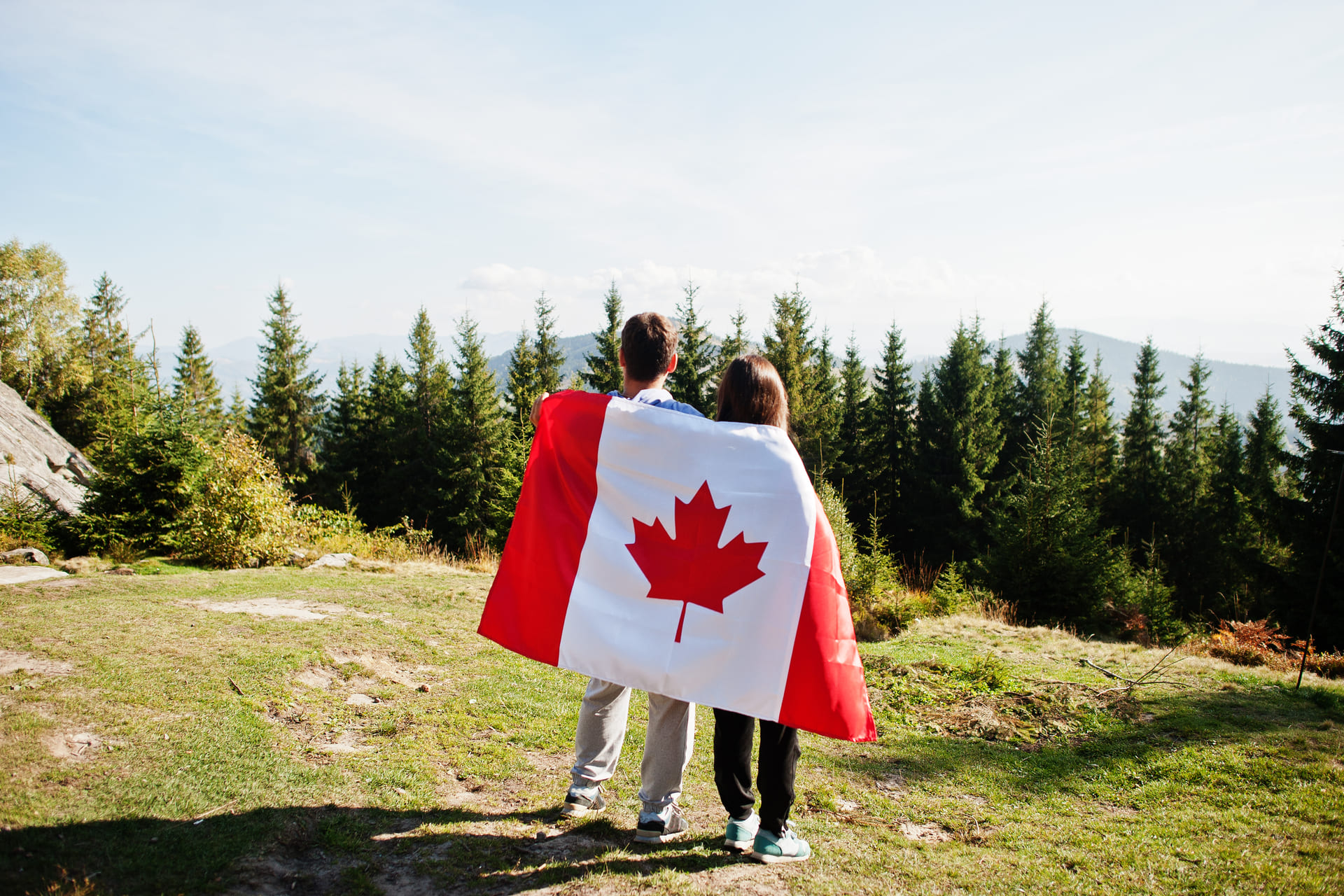
Marriage to a Canadian citizen doesn’t automatically grant permanent residence or citizenship—this is one of the most common misconceptions. The marriage certificate is simply the foundation that allows your spouse to sponsor you through the formal spousal sponsorship program.
The process requires a complete application, supporting documentation proving your relationship is genuine, and thorough background checks. Immigration, Refugees and Citizenship Canada (IRCC) evaluates each case individually to ensure the relationship isn’t entered into primarily for immigration purposes.
Your Canadian spouse must submit the sponsorship application on your behalf, demonstrating their ability and commitment to support you financially once you become a permanent resident. While the process involves substantial paperwork and patience, it remains one of the most straightforward pathways to Canadian permanent residency for foreign nationals in genuine relationships.
The primary benefit of marrying a Canadian citizen is eligibility for spousal sponsorship, which allows your partner to formally support your immigration application. Canadian citizens aged 18 and older can sponsor their spouse or common-law partner, provided they meet specific IRCC requirements.
You can apply through two streams: inland sponsorship if you’re already in Canada, or outland sponsorship if you’re residing abroad. Inland applicants can remain in Canada during processing and may apply for an open work permit while waiting. Outland applications typically process faster but require the sponsored spouse to remain outside Canada until approval.
Sponsorship is available regardless of where you married—whether in Canada or abroad—as long as the marriage is legally recognized. If you’re already in Canada and your child is born here, this doesn’t automatically grant you permanent residency, but spousal sponsorship remains your strongest pathway.
Learn more about if my child is born in Canada can I get permanent residency.
Spousal sponsorship leads directly to permanent residency, granting you the right to live, work, and study anywhere in Canada indefinitely. This is one of the fastest routes to Canadian status for foreign nationals, particularly compared to economic immigration programs that involve point systems and lengthy queues.
Current processing times average 12 months for inland applications and 10 to 12 months for outland applications as of 2024-2025, though timelines vary based on case complexity. Once approved, you receive the same rights and responsibilities as other permanent residents, excluding the right to vote or hold certain security-sensitive positions.
Permanent residency provides stability that temporary visas cannot match. You’re no longer dependent on work permits, study permits, or visitor extensions. This status also protects you from deportation, provided you maintain your residency obligations and don’t commit serious crimes.
After becoming a permanent resident through spousal sponsorship, you can apply for Canadian citizenship once you’ve physically resided in Canada for three years within a five-year period. This timeline applies to all permanent residents, regardless of how they obtained status.
Canadian citizenship offers additional benefits: the right to vote, a Canadian passport, and no residency requirements to maintain. Citizenship cannot be revoked except in rare cases of fraud, providing ultimate security.
The path from marriage to citizenship typically spans four to five years total: 10 to 18 months for PR approval, then three years of residence before citizenship eligibility. While this may seem lengthy, it’s considerably shorter than many economic immigration routes.
If you’re wondering about if my child is born in Canada can I get citizenship, Canadian-born children automatically receive citizenship, but parents must still follow standard permanent residency and citizenship processes.
One of the most practical benefits is access to work authorization. If you apply for inland spousal sponsorship while already in Canada, you can submit an application for an open work permit after receiving your Acknowledgement of Receipt (AOR) from IRCC. The work permit typically processes within four to six months, allowing you to earn income and gain Canadian work experience while your permanent residency application processes.
This open work permit isn’t restricted to a specific employer or occupation, giving you complete flexibility to pursue any job in Canada. The ability to work immediately alleviates financial stress and demonstrates to IRCC that you’re integrating into Canadian society.
Once you receive permanent resident status, you gain access to provincial healthcare coverage. Most provinces require a brief waiting period after you receive PR status, but coverage then includes doctor visits, hospital care, and many medical procedures at no direct cost.
Beyond legal and financial benefits, marrying a Canadian citizen provides the foundation for genuine family reunification. You can travel together freely, make long-term plans without visa uncertainties, and build a shared life without the constant anxiety of temporary status.
Permanent residency allows you to rent or purchase property together, establish joint financial accounts, and access better mortgage rates that often aren’t available to temporary residents. These considerations matter significantly when building a home and future in Canada.
The stability also extends to any children in your relationship. Your children can attend Canadian schools on the same basis as citizens, access child benefits, and grow up without the disruption of uncertain immigration status.
Your Canadian spouse must meet specific criteria to sponsor you for permanent residency. The sponsor must be a Canadian citizen or permanent resident aged 18 or older. If they’re a permanent resident (not a citizen), they must be physically residing in Canada throughout the sponsorship process. Canadian citizens can sponsor from abroad, provided they demonstrate concrete plans to return to Canada once you receive approval.
While Canada doesn’t impose a minimum income requirement for spousal sponsorship, the sponsor cannot be receiving social assistance for reasons other than disability. They must sign an undertaking committing to financially support you for three years after you become a permanent resident.
Sponsors cannot be in default on previous sponsorship undertakings, child support payments, or immigration loans. They also cannot sponsor if they’re currently imprisoned or subject to a removal order.
Additional reading: Canadian citizenship by marriage
The most pervasive myth is that marriage to a Canadian citizen automatically grants permanent residency or citizenship. In reality, marriage is simply the qualifying relationship that allows your spouse to sponsor you—it doesn’t bypass the formal application process, background checks, or assessment criteria.
IRCC thoroughly reviews every spousal sponsorship application to verify the relationship is genuine and not entered into primarily for immigration purposes. You must provide substantial documentation proving your relationship’s authenticity, including photos, correspondence, joint financial documents, and statements from family and friends.
The process typically takes 10 to 18 months and requires patience, organization, and often legal guidance to navigate successfully.
Many people believe they’re ineligible for spousal sponsorship if they’ve overstayed a visa or fallen out of status in Canada. While maintaining legal status is ideal, inland spousal sponsorship applications include provisions for restoring your status if you’re currently in Canada without authorization.
When you submit an inland sponsorship application, you can request restoration of your status as a visitor while the application processes. However, being out of status can complicate your application and may increase scrutiny from IRCC. Working with an immigration lawyer helps ensure you address status issues properly and maximize your chances of approval.
Another common concern is that permanent residency will be automatically revoked if the marriage ends. Once you receive permanent resident status, it’s yours to maintain regardless of your relationship status with your sponsor—provided the relationship was genuine when you applied and you meet your residency obligations.
IRCC may investigate cases where marriages end very shortly after permanent residency is granted, particularly if they suspect marriage fraud. However, if your relationship was authentic and you can demonstrate this through your application evidence, your PR status remains secure even if the marriage later ends.
Canada eliminated conditional permanent residence in April 2017. Previously, sponsored spouses in relationships of less than two years with no children together had to cohabit with their sponsor for two years after receiving PR status. This requirement no longer applies, providing greater protection for vulnerable sponsored individuals.
Additional reading: Canadian citizenship by descent benefits
While processing times vary based on individual circumstances and whether you apply inland or outland, the general progression follows these stages:
Complex cases involving previous immigration violations, criminal records, or extensive international travel histories may take longer. Medical inadmissibility concerns or relationship genuineness questions can also extend processing times significantly.
Preparing a strong spousal sponsorship application requires attention to detail and thorough documentation. These strategies improve your chances of approval:
Additional reading: if I marry a Canadian citizen, can I live and work there
Navigating spousal sponsorship without professional guidance increases your risk of application refusal, delays, and wasted resources. Immigration lawyers bring specialized knowledge of IRCC policies and common pitfalls that can derail even genuine applications.
An experienced immigration lawyer reviews your specific circumstances to identify potential challenges before you submit your application. They help you compile compelling relationship evidence, address inadmissibility concerns proactively, and present your case in the strongest possible light.
Legal representation becomes particularly important if IRCC raises concerns about your relationship’s genuineness, requests an interview, or if you face inadmissibility issues such as criminal records or previous immigration violations. Lawyers can prepare you for interviews, respond to procedural fairness letters, and represent you in appeals if necessary.
Ready to begin your spousal sponsorship journey? Contact our immigration team today for a consultation. We guide Canadian citizens and their foreign spouses through every step of the immigration process, from initial application preparation through to permanent residency approval.
Call our citizenship lawyer to discuss how we can help you build your future together in Canada.
Yes, if you’re applying for inland spousal sponsorship while already in Canada, you can submit an application for an open work permit after receiving your Acknowledgement of Receipt (AOR) from IRCC. IRCC typically approves these work permits within four to six months, allowing you to work for any employer in any occupation. As of 2024-2025, individuals applying through outland spousal sponsorship who are physically in Canada with valid temporary status can also apply for an open work permit while their application process.
No. Marriage to a Canadian citizen doesn’t grant automatic citizenship or permanent residency. You must first be sponsored for and receive permanent resident status, which takes 10 to 18 months on average. After becoming a permanent resident, you must physically reside in Canada for three years within a five-year period before you’re eligible to apply for citizenship.
Only Canadian citizens can sponsor their spouse while living outside Canada. If you’re a permanent resident (not a citizen), you must be physically residing in Canada throughout the entire sponsorship process. Canadian citizens sponsoring from abroad must demonstrate concrete plans to return to Canada once their spouse’s permanent residency is approved.
If IRCC refuses your outland spousal sponsorship application, you have the right to appeal the decision to the Immigration Appeal Division (IAD). You must file your appeal within 30 days of receiving the refusal decision. If you applied inland, you cannot appeal to the IAD, but you may be able to request judicial review at Federal Court or reapply with stronger evidence.
Not always. IRCC requests interviews in cases where they need clarification about relationship genuineness, have concerns about inconsistencies in your application, or suspect potential marriage fraud. If IRCC requests an interview, take it seriously and prepare thoroughly, ideally with guidance from an immigration lawyer.
Our experienced Toronto immigration lawyers are ready to assist you with PR card renewals, residency obligation concerns, and all immigration matters.
LLB, BA (Hons) · Principal Lawyer
A leading immigration law practitioner with over 20 years of experience.